Meeting held at Ministry of Economy with bp’s new CEO

Documents have been signed between the Ministry of Economy, SOCAR and “BP Exploration (Caspian Sea) Limited”.
A meeting has been held among Minister of Economy of the Republic of Azerbaijan Mikayil Jabbarov, SOCAR’s President Rovshan Najaf and bp’s new Chief Executive Officer Meg O’Neill.
During the meeting, the parties highlighted bp’s contributions to Azerbaijan’s economy and energy sector and noted the important role of the joint projects in ensuring the regional energy security. It was emphasized that the efficient use of energy resources and expanding international partnerships in this direction are among the top priorities of Azerbaijan’s energy policy.
At the meeting, the parties exchanged views on bp’s global business operations, its long-standing efficient cooperation with Azerbaijan, the energy projects underway in the region, as well as the projects being implemented by the company in the liberated territories, and the development prospects of the mutual partnership. They also discussed new avenues for the partnership between Azerbaijan and bp.
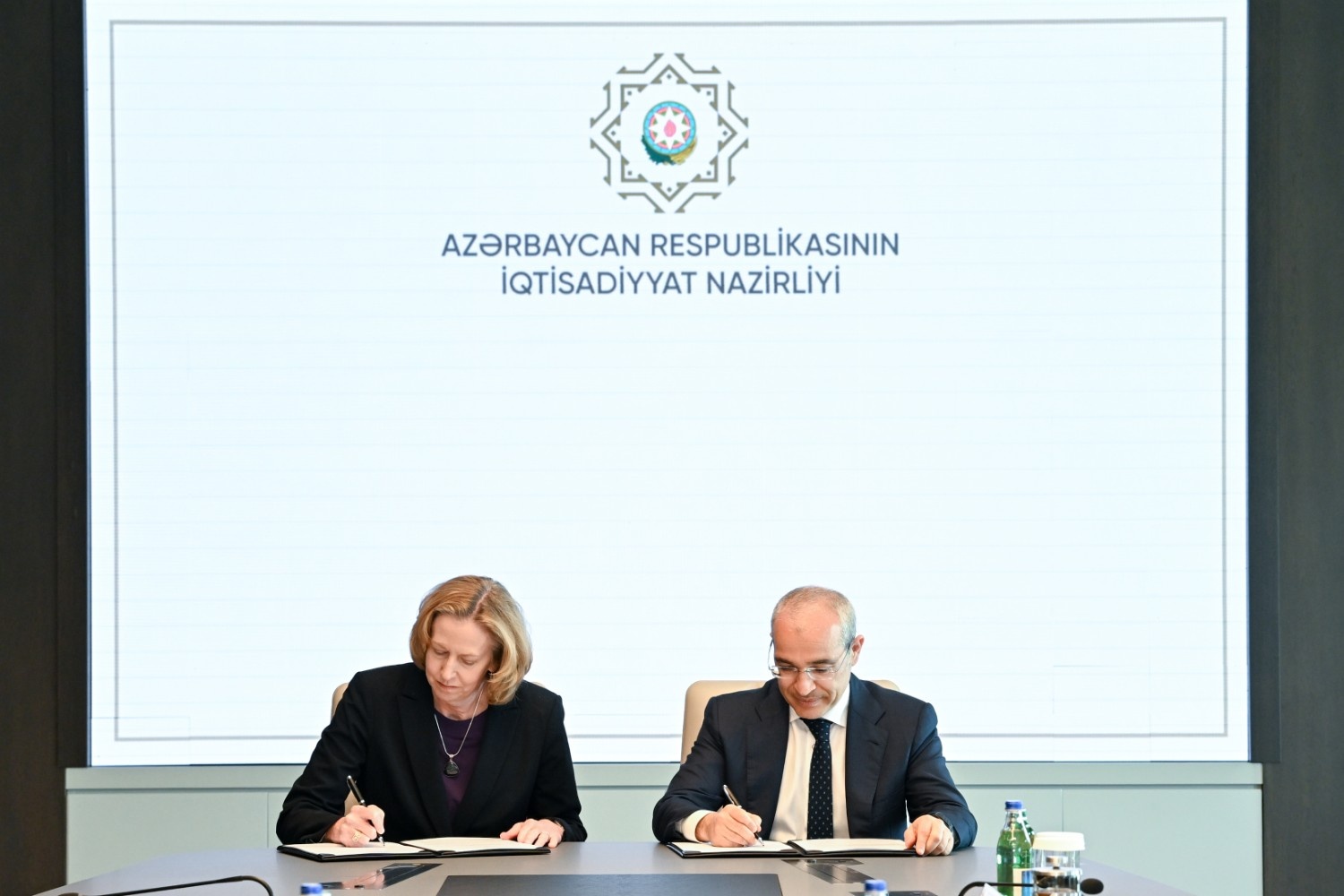
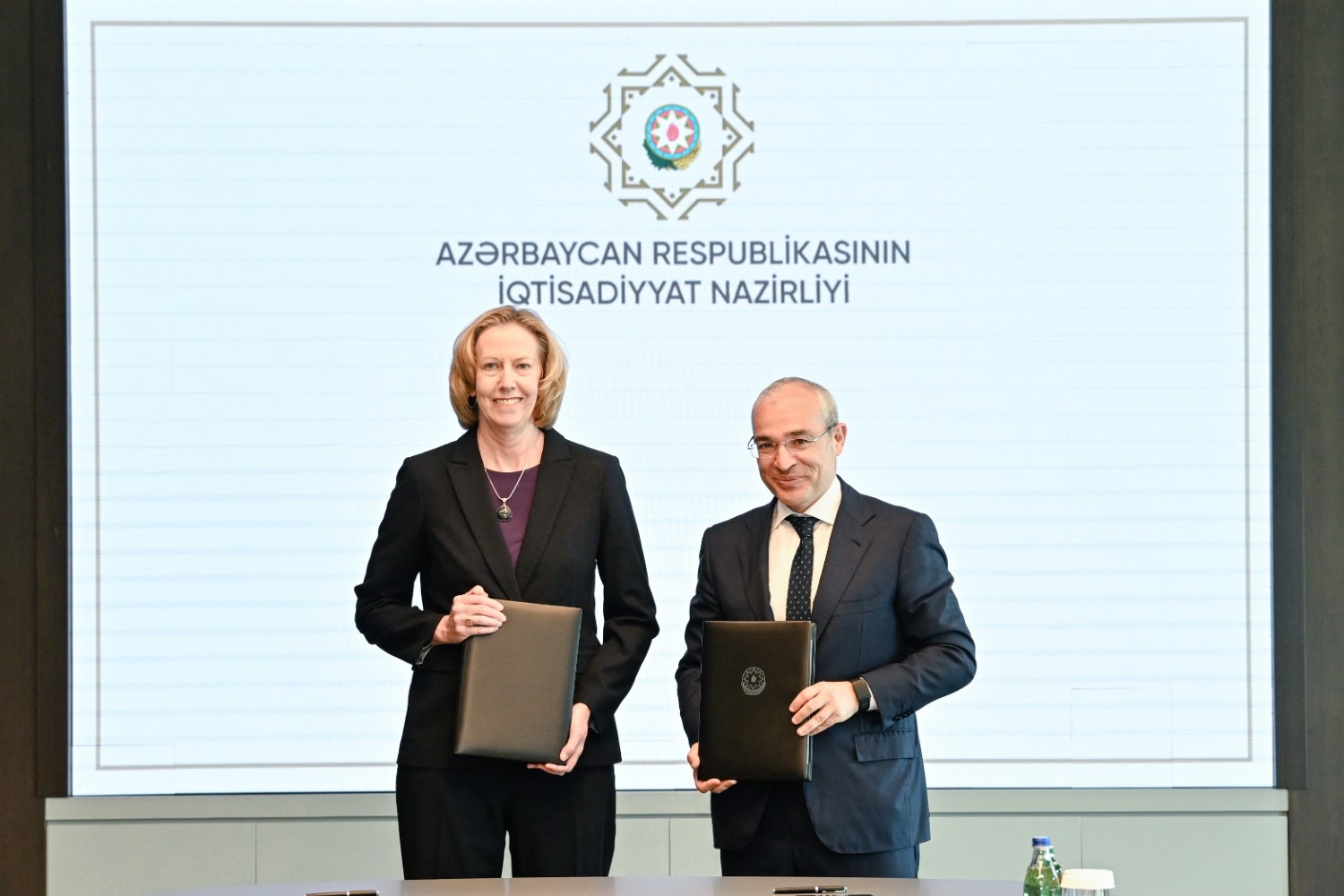
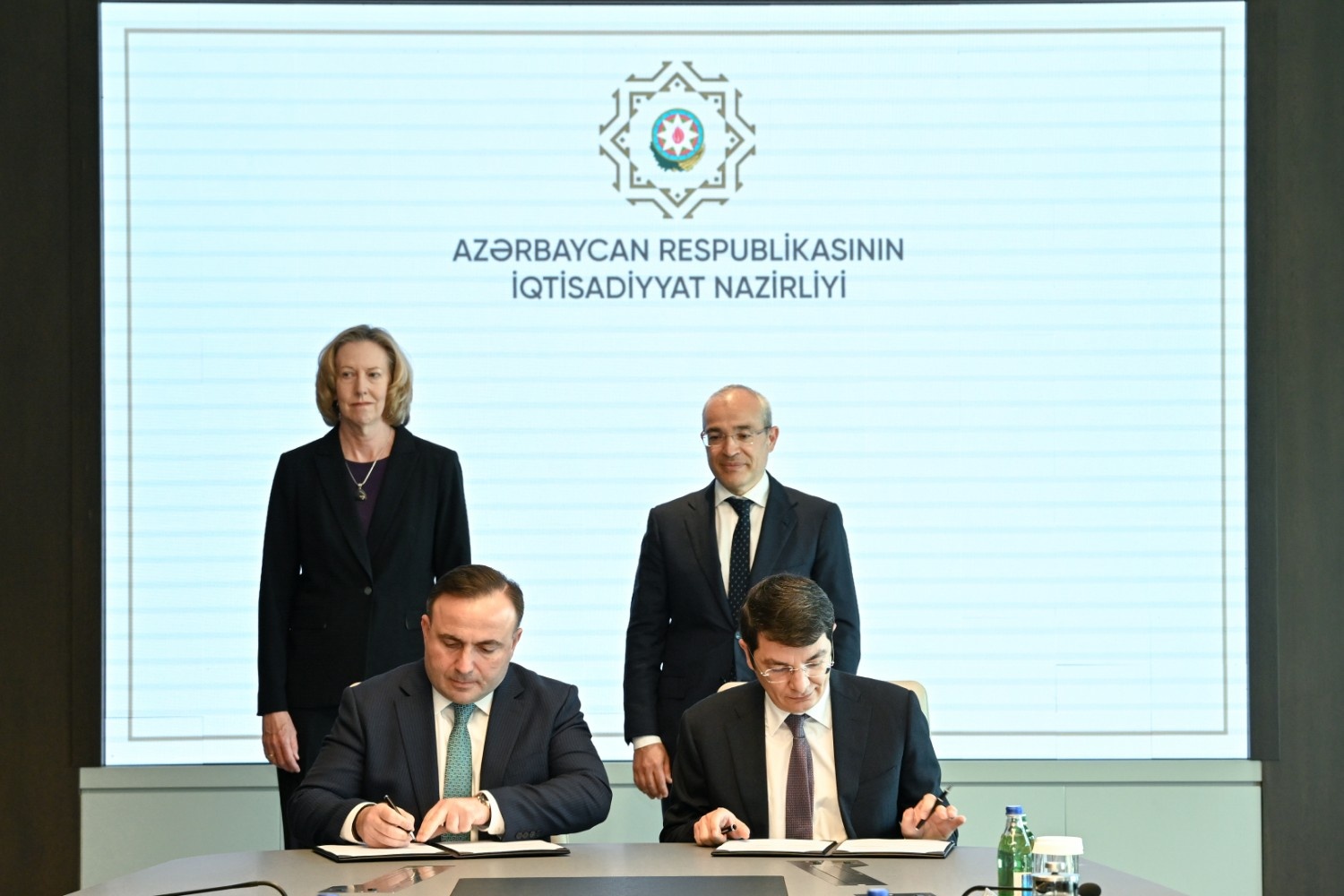
Within the framework of the meeting, documents were signed between the Ministry of Economy, SOCAR and “BP Exploration (Caspian Sea) Limited”.
The Memorandum of Understanding on cooperation in the development of high-performance computing (HPC) infrastructure, signed between the Ministry of Economy and “BP Exploration Limited”, envisages leveraging bp's expertise to strengthen the Ministry of Economy's HPC infrastructure, with the aim of advancing the digital economy.
The Memorandum of Understanding, signed between “BP Exploration Limited” and SOCAR, will contribute to expanding cooperation in the energy sector, adopting innovative solutions and reinforcing Azerbaijan’s position as a global energy hub.
It is noteworthy that HPC (High-Performance Computing) infrastructure is a supercomputer framework designed for processing massive volumes of data and complex calculations in a very short period of time. This infrastructure is utilized in fields requiring high computational power, such as artificial intelligence, big data analytics, geological and seismic research, oil and gas reservoir modeling, weather forecasting, scientific research, cybersecurity, and industrial simulations.